Get 10% off this month when you try our services!

Legal Secondary Suites
Whether you call it a secondary suite, basement suite, rental suite, or in-law suite, creating a self-contained living space within your home requires thoughtful planning, practical design, and a permit package that satisfies current municipal and building code requirements.
At Dave Nicol Design, I prepare permit drawings for a wide range of secondary suite projects, including basement suites, attached garage conversions, and home additions designed to accommodate independent living spaces.
The goal is always the same: create a comfortable, functional living space while preparing a permit package that allows the project to move smoothly through municipal approval and into construction.
The sections below explore common suite types, design considerations, mechanical and life-safety requirements, and the permit approval process.
Permit Approval
Designed for approval.
Design Excellence
Designed for living.
Everyday Comfort
Designed for comfort.
From Concept to Permit Approval
Basement Suites
Garage Conversions
Garage Conversions

Basement suites are the most common secondary-suite projects I work on. In many homes built from the 1990s onward, the basement was designed with a future suite in mind, with separate entrances, egress-compliant windows for future bedrooms, and plumbing rough-ins already in place for a bathroom and sometimes even a kitchen.
Many homes built from the 1960s through the 1980s have large basements of around 900 to 1,000 sq. ft. that adapt well to secondary-suite layouts. Bedrooms, living areas, kitchens, laundry facilities, and ample storage can often be incorporated into the existing floor plan. Many of these older homes were never intended to accommodate legal secondary suites and therefore lack kitchen rough-ins. In most cases, however, adding the required plumbing is straightforward and easily incorporated into the design.
Every basement is different, but in many cases, the space needed for a comfortable secondary suite is already there. The key is developing a layout that makes the best use of the existing structure while meeting current building code and permit requirements.
Garage Conversions
Garage Conversions
Garage Conversions

Converting an attached garage into a secondary suite is a practical way to create additional living space within the existing footprint of a home.
Because the structure already exists, the design process focuses on adapting the space from an unconditioned space into a conditioned space. Insulation, plumbing, heating, ventilation, floor assemblies, windows, and life-safety requirements are all incorporated into the design.
Once the large overhead door is removed, it can be a good place to add windows or an entry door. The layout needs to be efficient, as most attached garages are only 400-600 square feet. In most cases, attached garages are best suited to bachelor or one-bedroom suites. If two bedrooms are required, a basement suite often provides a more practical layout and additional living space.
Suite Additions
Garage Conversions
Suite Additions
If you do not have a basement or an attached garage suitable for conversion, another option is to add to your existing home. Additions can be located beside or behind the house, creating comfortable and functional living spaces with layouts that provide privacy from the principal residence.
Home additions offer greater flexibility in layout and design than many conversion projects. Kitchens, bedrooms, bathrooms, laundry facilities, and outdoor living areas can be planned from the ground up to create a suite that feels spacious, comfortable, and independent.
Home additions require a new foundation and, depending on the design, may include a crawl space, slab-on-grade, or basement. While this adds construction compared to converting an existing basement or garage, it also provides considerably more flexibility. Room sizes, ceiling heights, window locations, mechanical spaces, and exterior living areas can all be designed from the ground up rather than working within the limitations of an existing structure.
Dave Nicol Design has completed a number of these projects, both in-law suites and rental units, helping homeowners create additional living space while maintaining the character and functionality of the existing home.
Suite Planning
Suite Additions
Good suite design is about much more than fitting rooms into the available square footage. A comfortable, livable suite requires careful planning to make the best use of the space available.
Natural light, furniture placement, room proportions, storage, and circulation all need to be considered. Long hallways, awkward room shapes, and oversized circulation areas can consume valuable square footage while contributing little to the suite's functionality. Bedrooms need to accommodate furniture comfortably, living areas need room to gather, and kitchens need to function efficiently without feeling cramped.
At Dave Nicol Design, I focus on creating spaces that flow naturally from one room to the next while making the best use of available square footage. The goal is not simply to maximize the suite's size, but to create comfortable living spaces that feel larger, brighter, and more functional than the actual square footage might suggest.
Thoughtful planning and efficient design often make the difference between a suite that merely meets code requirements and one that people genuinely enjoy living in.
Mechanical Systems
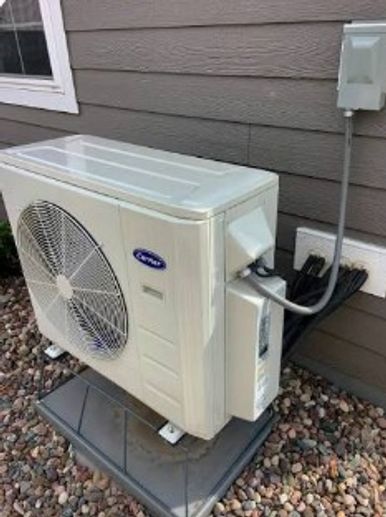
Mechanical systems are not exciting or sexy, but a suite is about much more than bedrooms, kitchens, and bathrooms. Behind the walls are the mechanical and life-safety systems that help make the suite comfortable, functional, and code-compliant.
Heating and cooling systems need to be considered early in the design process. Choosing the right system is important, but so is deciding where the equipment will go. Mechanical rooms, hot water tanks, HRVs, mini-split heads, and ducting all affect the final layout.
These systems have a significant impact on the final layout. Considering them early allows the mechanical systems to be incorporated into the design rather than being worked around later.
Permit Approval
Every secondary suite project requires a permit package that clearly communicates the proposed work to the municipality. While requirements vary between jurisdictions, the objective is always the same: demonstrate compliance with current building code and municipal regulations.
Accurate information is critical to a successful application. Existing homes need to be measured carefully, and a current property survey is required to assess building locations, easements, setbacks, parking requirements, site coverage, and other site-specific conditions. Good information at the beginning of the project helps avoid surprises later in the design and approval process.
Permit requirements continue to evolve as building codes and municipal bylaws are updated. For homeowners, the approval process can sometimes seem intimidating. In reality, it is simply part of building properly. Permit-related issues can be identified and addressed during the design stage before
Considering a basement suite? Read our article, Basement Suite Design: Planning, Permits, and Solutions, for a detailed look at egress windows, parking requirements, fire separation, heating systems, and other common design and permit considerations.