Get 10% off this month when you try our services!
Multiplex Design and Permit Services
Multiplex Design and Permit Drawings
Permit Planning and Municipal Requirements
Functional and Comfortable Living Spaces

Multiplex housing is becoming an increasingly important part of residential development throughout Vancouver and the Lower Mainland. Duplexes, triplexes, fourplexes, and other small multi-family projects can create excellent long-term value when they are carefully planned and properly designed. A successful multiplex project must balance livability, construction practicality, municipal regulations, parking requirements, and overall site efficiency while still creating comfortable residential spaces people genuinely want to live in.
Homeowners exploring small-scale multi-unit housing may also be interested in our article, Vancouver Multiplex Homes: 3 to 6 Units, which discusses zoning considerations, development potential, site constraints, and planning factors that can affect a multiplex project.
Functional and Comfortable Living Spaces
Permit Planning and Municipal Requirements
Functional and Comfortable Living Spaces
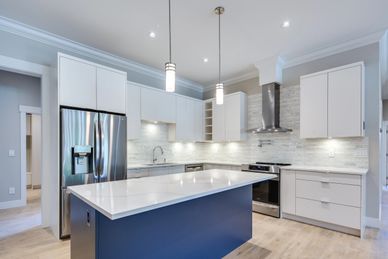
Good multiplex design is not simply about fitting additional units onto a property. Interior layouts should feel open, efficient, and comfortable while still maintaining privacy between units. Natural lighting, storage space, sound separation, ceiling heights, and outdoor living areas all play an important role in the overall quality of the finished project. Careful planning can make compact homes feel substantially larger and more functional without unnecessarily increasing construction costs.
Permit Planning and Municipal Requirements
Permit Planning and Municipal Requirements
Multiplex developments often involve more detailed municipal review than traditional single-family homes. Zoning regulations, site coverage limitations, parking requirements, fire separation rules, servicing considerations, and energy compliance requirements can all influence the final design. Early planning and detailed permit drawings help identify potential issues before construction begins and can significantly improve the efficiency of the approval process.
Practical Structural Design
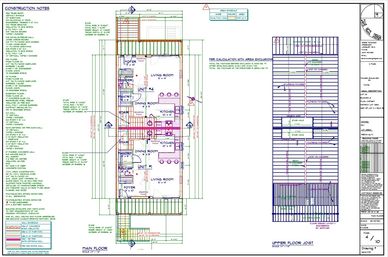
Modern multiplex construction frequently incorporates engineered wood products such as LVL and PSL beams to create larger open interior spaces and cleaner layouts with fewer structural interruptions. Proper coordination between structural systems and architectural planning allows for more flexible living areas while maintaining efficient and practical framing layouts. Thoughtful structural planning can also help reduce unnecessary construction complexity during the building process.
Redevelopment and Existing Properties
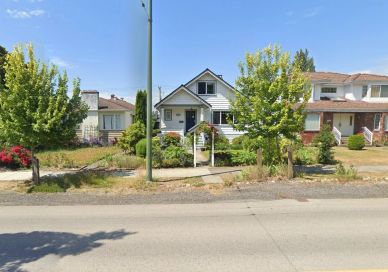
Many multiplex projects involve older residential properties or redevelopment sites with unique constraints that must be carefully evaluated during the design stage. Existing grades, retaining walls, neighbouring buildings, lane access, servicing locations, and site dimensions can all influence the overall layout and construction approach. Understanding these conditions early helps avoid costly revisions later in the permit or construction process.
Unit Separation and Privacy
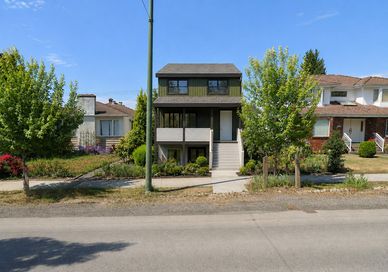
One of the biggest challenges in multiplex design is creating comfortable separation between units within a relatively compact building footprint. Sound control, stair placement, window locations, outdoor space planning, and independent access all influence how private and functional the completed homes feel. Careful design can significantly improve day-to-day livability while maintaining efficient building layouts and practical construction.